Blog 14: Spotlight on European Women
By Felix Vanden Borre & Dr Claire McNulty
As Ireland assumes the Presidency of the Council of the European Union, we are reminded of the many women of early modern Ireland who had connections with continental Europe.
Ireland will hold the Presidency of the Council of the European Union for the next six months. While the scope and reach of the Union has profoundly changed since Ireland became a member in 1973, one of the European project’s most resounding successes has been freedom of movement for people across the continent. Such movement, however, was not unheard of to early modern contemporaries, albeit considerably less regulated and not subject to fluctuating flight fares.
Considering Ireland’s EU Presidency, this blog will showcase some of the women with continental connections that the VOICES project has encountered in Irish historical sources, specifically the Funeral Entries. The Funeral Entries, held at the National Library of Ireland, are manuscripts which contain short entries recording the passing away of individuals across Ireland in the sixteenth, seventeenth, and eighteenth centuries. The early modern rip.ie if you will!
Sometimes, the entries record additional information about the deceased such as their origins and family, revealing a rich cosmopolitan tapestry. Winifred Toto, for example, appears in two separate Funeral Entries volumes (GO MS 64 and 66). She was the daughter of an accomplished Florentine artist called Antonio Toto who was Serjeant Painter to King Henry VIII. Little is known about Winifred’s upbringing. What we do know, however, is that she married Sir Charles Calthorpe, one of the Justices of the Common Pleas in Ireland, and that she passed away in 1605 (presumably in Dublin). While we have no indication of whether Winifred brought anything over to Ireland from her father’s native Tuscany, but she likely carried more than just his surname with her.
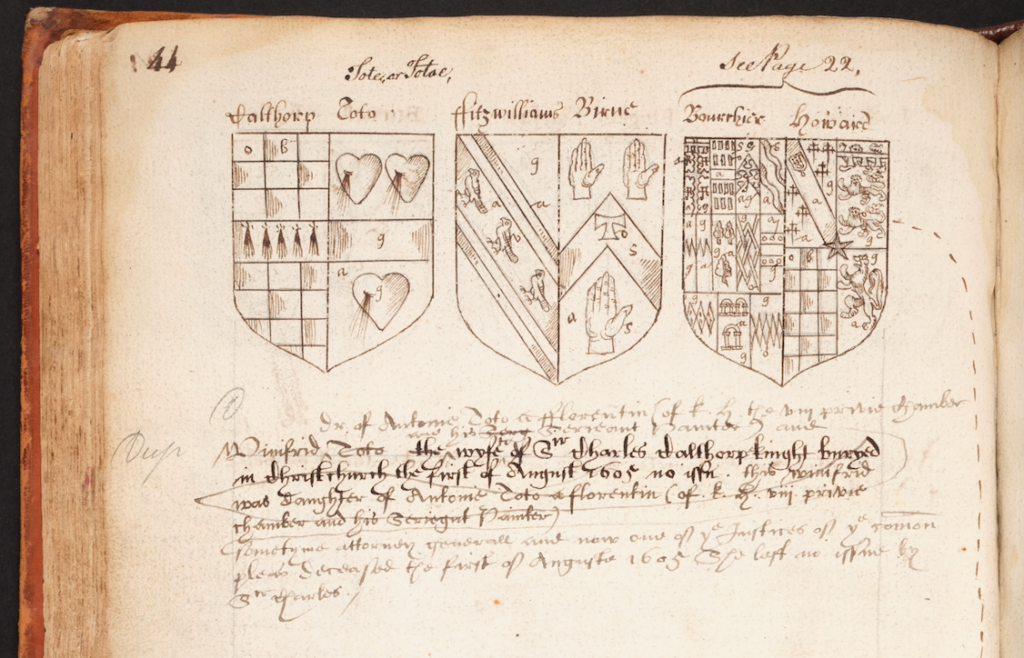
Figure 1.: Winifred Toto’s funeral entry and coat of arms (far left) with heart symbols in NLI GO MS 64 f. 44v
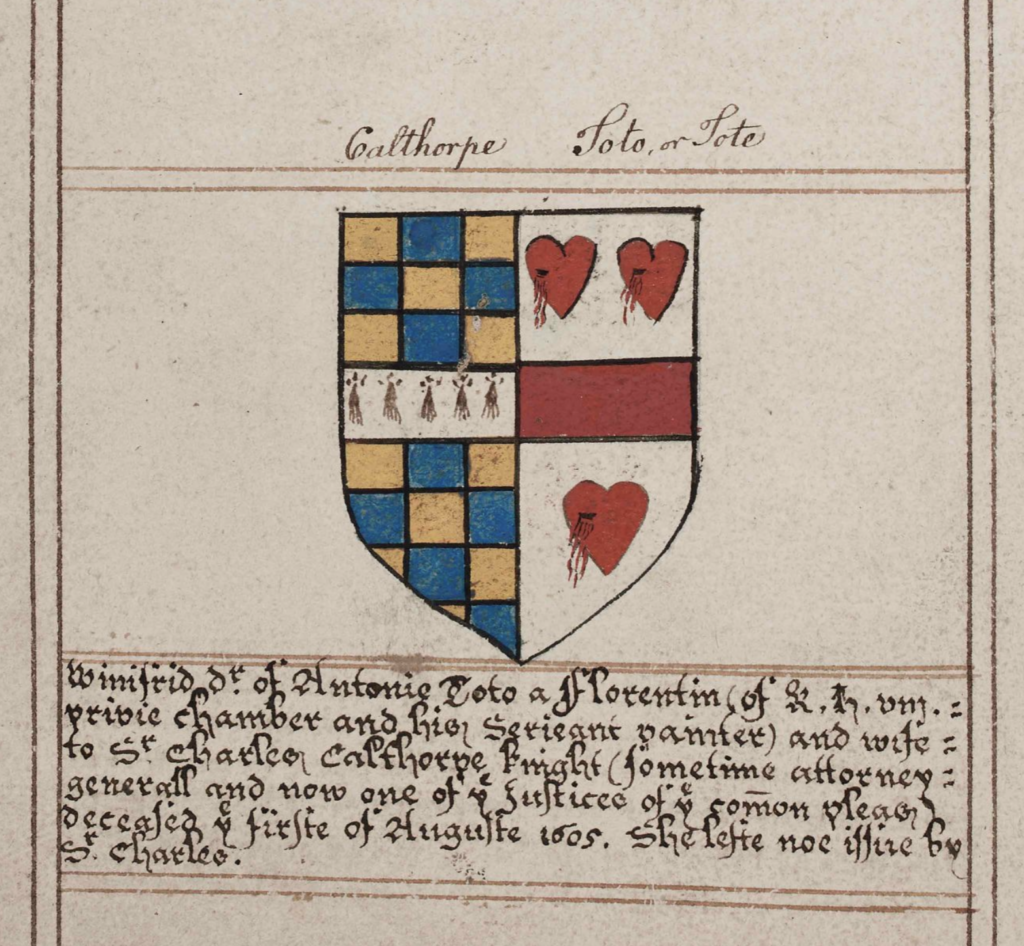
Figure 2.: Winifred Toto’s funeral entry in NLI GO MS 66 f. 2v
Given her father’s position, it is possible that Winifred would have come to Ireland by way of England. She is not the only woman of continental heritage to find her way to Ireland via another crown territory. The Funeral Entries also record the death of Johanna Everard who was the daughter of Levimus Everard, councillor of state to the King of Spain. We can deduce that Johanna likely grew up in modern-day Mechelen (Belgium) from her funeral entry, but she did not stay in the Low Countries. Johanna married into Scottish nobility twice before moving to Donegal by the time of her third husband Patrick Crawford. She would marry a fourth time in Donegal, this time to a George Marbury, before passing away in Letterkenny in 1638.
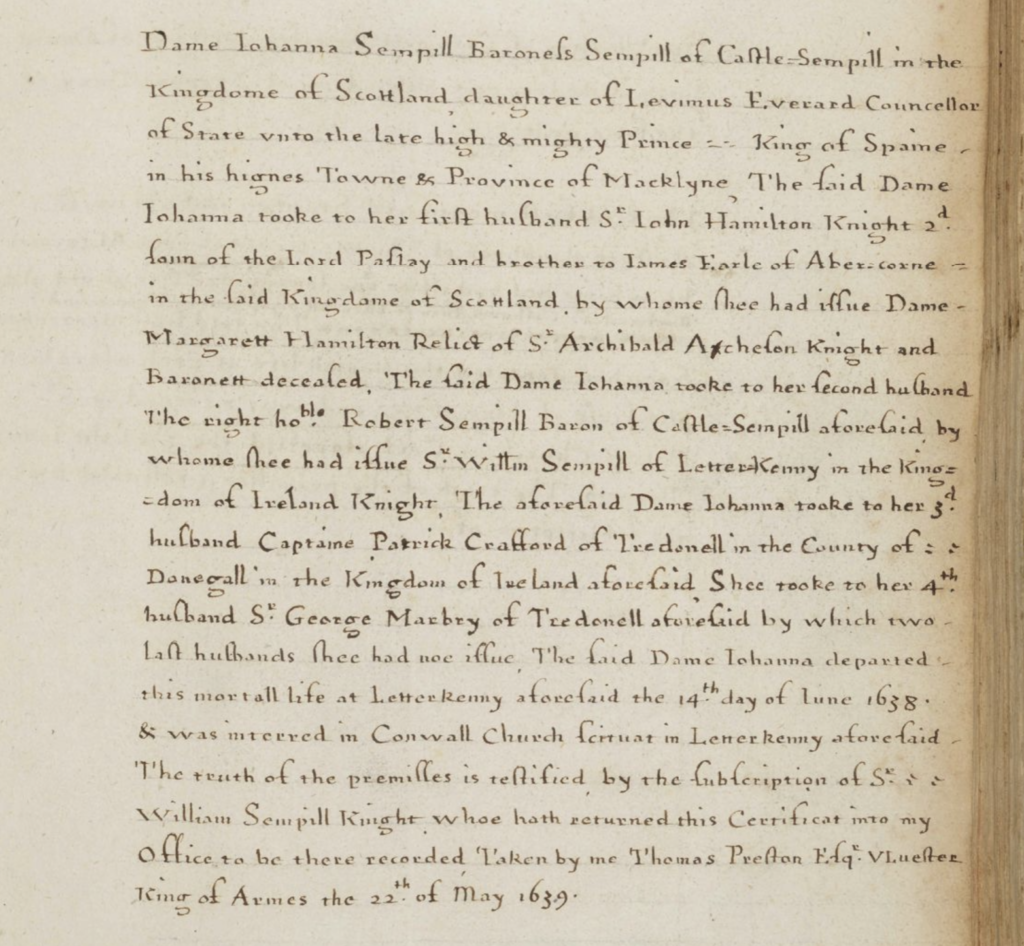
Figure 3.: Funeral entry relating to Johanna Everard in NLI GO MS 70 f. 417r
Abigail Bollard was another woman who eventually called Ireland her home, but who may have been originally from the Low Countries as her father, John, was a merchant of Antwerp. Despite her father’s trade, she did not stay in Antwerp. Through her funeral entry, we learn instead that in 1638 she married Ridgly Hatfield, who would eventually become Mayor of Dublin. Abigail and Ridgly had nine children together over 18 years of marriage, of whom 6 were alive when their mother passed away in 1656.
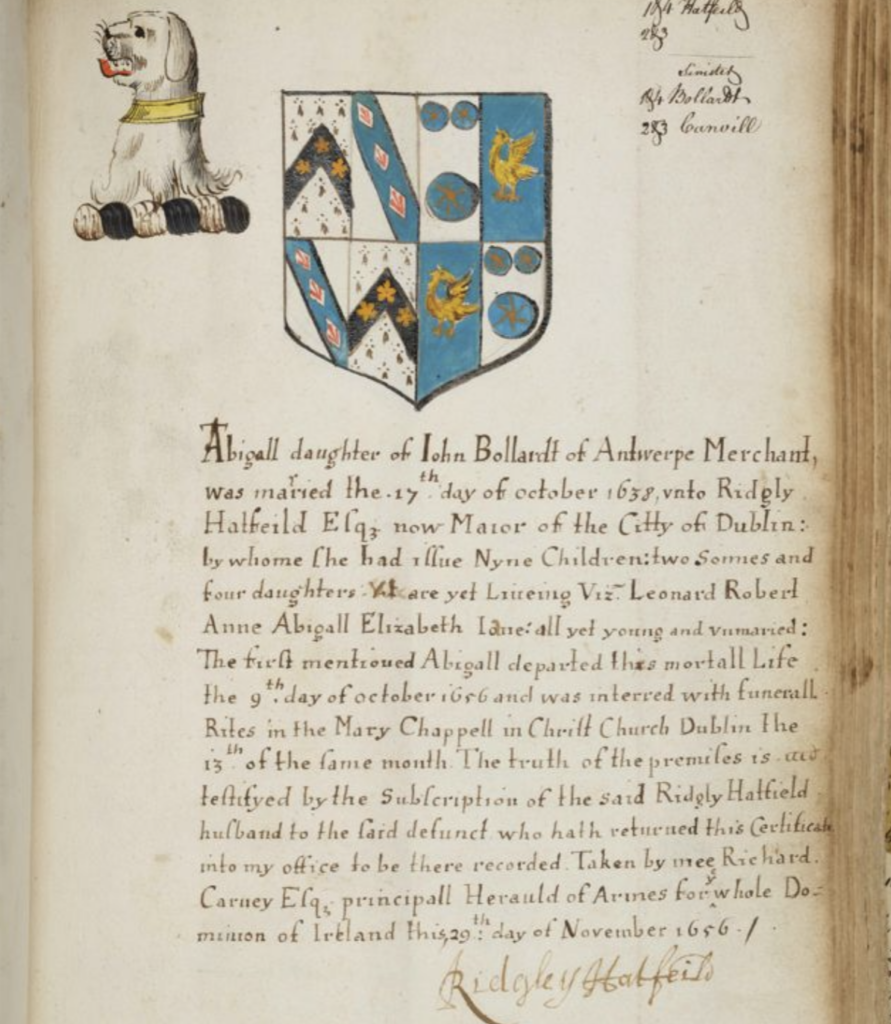
Figure 4.: Funeral entry of Abigail Bollard whose father was a merchant of Antwerp NLI GO MS 70 f. 523r
The Funeral Entries offer only glimpses of the lives of Winifred, Johanna, and Abigail, yet demonstrate that these women who came from all over Europe integrated into Irish society seamlessly. Their stories are a reminder that migration has always been a core part of the human experience, and that Ireland was no exception here.